A Short Break Fans Now Fill Differently
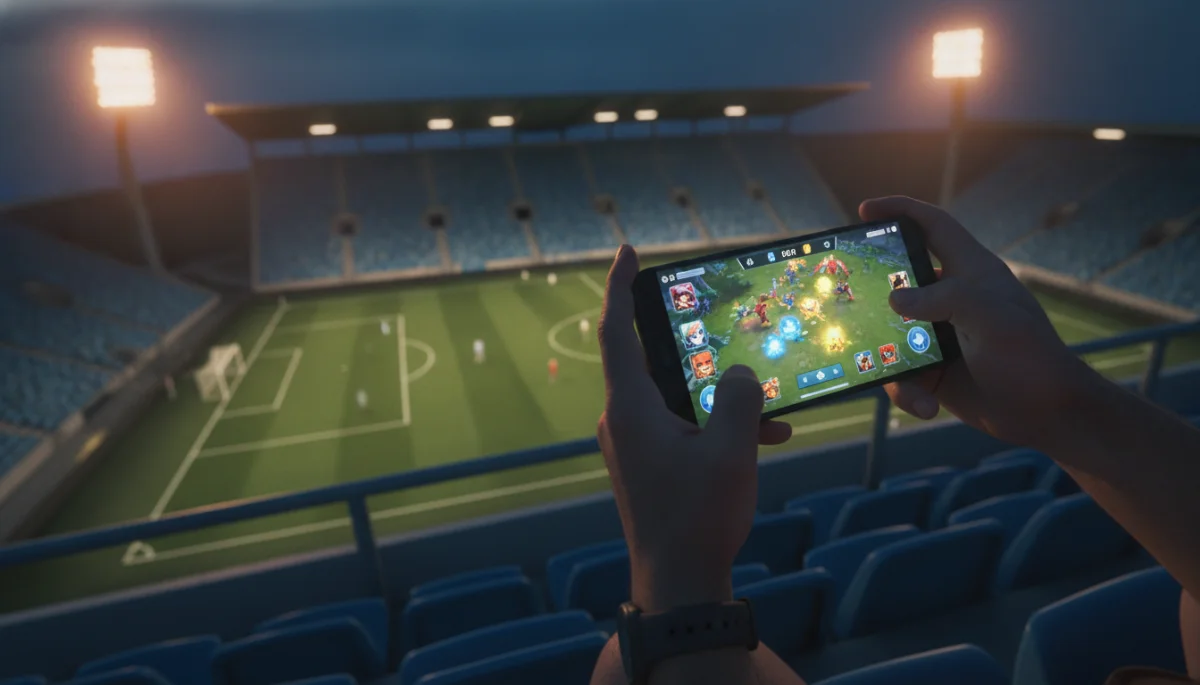
Halftime used to be a pause for snacks, commentary, and waiting. Today, many sports fans use those minutes for quick mobile games instead.
The shift makes sense because the break is brief, the attention span is already high, and fans want something that keeps the momentum going without pulling them away for long.
What Makes a Game Fit the Break
The best halftime games are built for speed. They open fast, explain themselves fast, and end fast, so players can fit a full round into a small window.
- Fast start: The game should launch in seconds, not minutes.
- Simple controls: The player should understand the rules almost immediately.
- Short replay loops: One round should lead naturally into another.
That is why hyper-casual puzzles, quick sports challenges, and simple chance-based games do so well during intermission. They offer instant activity without demanding a major time commitment.
Technology Keeps the Momentum Going
Modern mobile networks have made these short play sessions much easier. Better stadium Wi-Fi and faster wireless coverage reduce the delays that once made gaming on the spot frustrating.
Developers also build games with light data use and low latency in mind. That allows a fan to play a few rounds, check the scoreboard, and be ready again before the second half begins.
Why the Experience Feels So Effective
There is also a psychological reason this trend works. Live sports create excitement, and halftime can interrupt that feeling. A mobile game gives fans a new source of quick reward during the lull.
It also adds a sense of control. Fans cannot influence the action on the field, but they can still make choices in a game, chase a score, or finish a challenge. That small dose of agency helps the break feel more active.
How Teams and Broadcasters Use It
Sports organizations have started to treat halftime as a second engagement window. Instead of leaving fans to drift, they use mobile games to keep them connected to the event.
- Prediction games: Fans answer questions or guess outcomes tied to the match.
- Reward tie-ins: Mini-games can unlock discounts or special offers.
- Fantasy check-ins: Supporters can update lineups or review scores quickly.
These features turn a passive pause into a small but meaningful participation moment. They also help teams strengthen loyalty by giving fans another reason to stay engaged.
Where Halftime Entertainment Goes Next
The next step is likely to be even more interactive. Augmented reality, live prediction features, and stadium-based challenges could make the gap between watching and playing even smaller.
For now, quick mobile games have already become a natural fit for halftime. They match the pace of sports, respect the short break, and give fans a way to stay involved until play resumes.