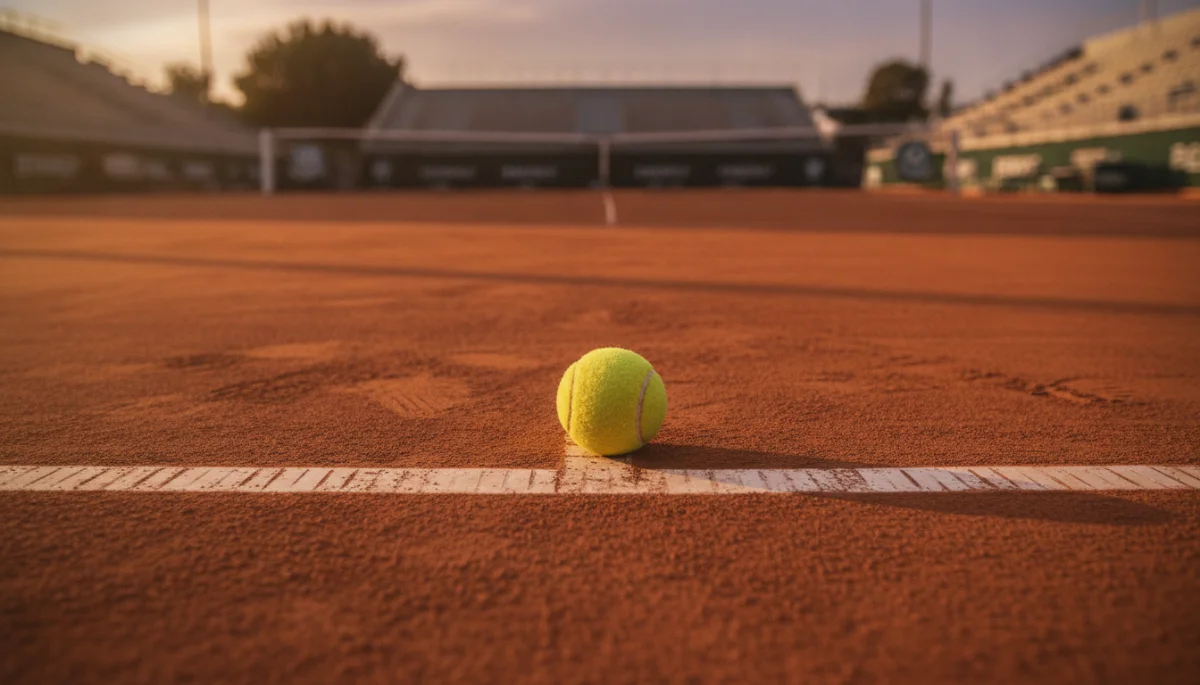
Alexander Zverev is finally a major champion, and the wait has ended in the most demanding way possible. The German outlasted Italy’s Flavio Cobolli in five sets at Roland Garros, winning 6-1, 4-6, 6-4, 6-7 (5-7), 6-1 on Court Philippe-Chatrier after years of near-misses and hard questions.
The significance is bigger than one trophy. For decades, German men have been measured against Boris Becker’s last major title in 1996, and Zverev has now become the first to break that drought. The result does not erase the long road that led here, but it does explain why this victory felt so loaded when the final ball landed.
Why this win felt different
Zverev’s talent has never been in doubt. The debate has always centred on whether he could finish a Grand Slam final when the match tightened and the pressure became unavoidable. On Sunday, he answered that question at last, and he did it by staying steadier than before when the scoreline turned awkward.
The match itself swung in familiar Grand Slam fashion. Zverev started sharply, lost momentum, then regained control when the fifth set opened a door. Cobolli, who had earned his place with a strong run, kept fighting and pushed the match deep, but Zverev found the composure that had often slipped away in earlier finals.
The key shifts that decided the final
- Zverev’s serve became a source of control rather than anxiety. In earlier big matches, double faults and second-serve pressure often undercut him. This time, he held firm when it mattered most, and the serve helped him protect the fifth set before the match could drift again.
- The forehand also carried more authority than in past seasons. When the first serve landed, he could use that forehand to dictate rallies instead of reacting to them, which made him far harder to unsettle over five sets.
- The draw opened up in ways that shaped the path to the title. Carlos Alcaraz withdrew with a wrist injury, Jannik Sinner exited in the second round, and Novak Djokovic was beaten early by teenager Joao Fonseca, which changed the landscape before the final weekend arrived.
- Zverev still had to earn the trophy through the players in front of him. He beat Jakub Mensik in the semifinals, while Cobolli reached the final by upsetting Felix Auger-Aliassime in the quarterfinals and carrying that confidence into the championship match.
- Most importantly, Zverev resisted the passive pattern that has haunted him for years. When the pressure rose and Cobolli kept extending rallies, he did not retreat and wait for mistakes. He stepped forward, took chances, and finished the match with authority.
The burden of previous finals
This title matters because it was built on the wreckage of earlier defeats. Zverev’s previous major finals left scars at the US Open, the Australian Open, and Roland Garros, and each loss added another layer of public doubt about whether he would ever cross the line.
He has also carried that history into a career defined by expectation. His tears after the final point suggested relief as much as joy, because the trophy was never just about one tournament. It represented years of frustration, scrutiny, and the constant suggestion that he was missing something essential.
What comes next
Zverev’s first Grand Slam title changes the conversation around him immediately. The pressure that followed him through every major now shifts, and that may matter most for a player whose biggest challenge was often mental rather than physical.
Wimbledon is next, and grass should suit his serve and first-strike game well. If he keeps the same level of clarity, another deep run would not be a surprise. For now, though, the main story is simpler: after all the close calls, Alexander Zverev finally has the one result that defines a champion.
As he put it after the final, no matter what happens now, he will always be a Grand Slam champion.